The Sacred Mountain
Checking in from the beautiful El Cotillo in Fuerteventura and I wanted to just share with you what's been opening since we got here which has been quite remarkable.
The first full day here, (we arrived the night before) it was warm and overcast and as we have a hire car we had a little google about what was fairly local and there was some rock pools that my husband wanted to see. So we thought because it's overcast and the timing was right with the tides we would have a little drive down there - plus I couldn't do much walking because I was still recovering from an infection so it was a perfect trip out.
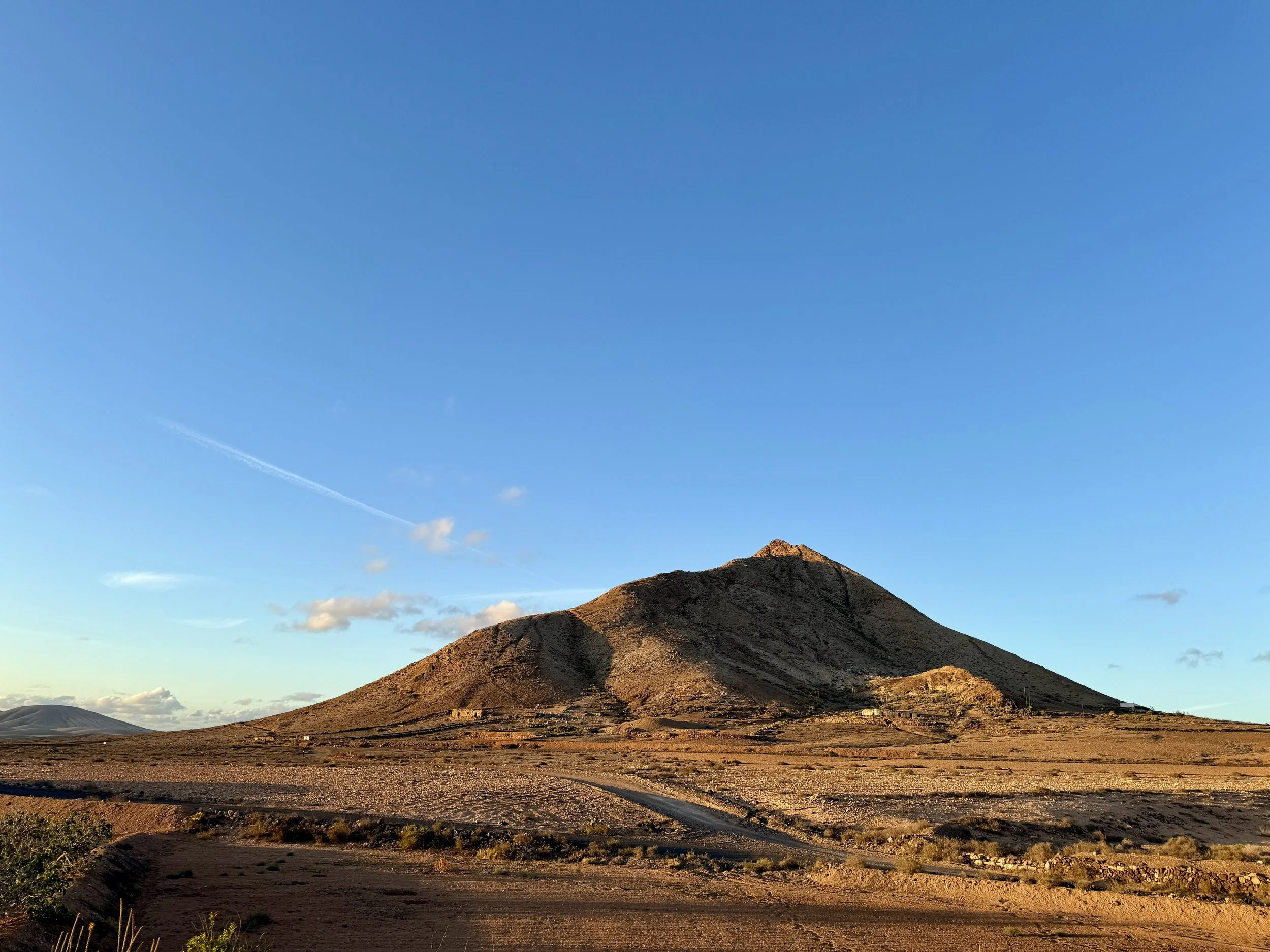
We were traveling to this part of the island and as we were driving a mountain that we passed by called to me…from the vast barren rugged landscape this one particular mountain seemed to whisper an invitation. I knew I could not ignore it - I saw there was a small village next to it which was called Tindaya. I said to my husband as we went past this amazing mountain ‘oh there's something there we need to go there.’
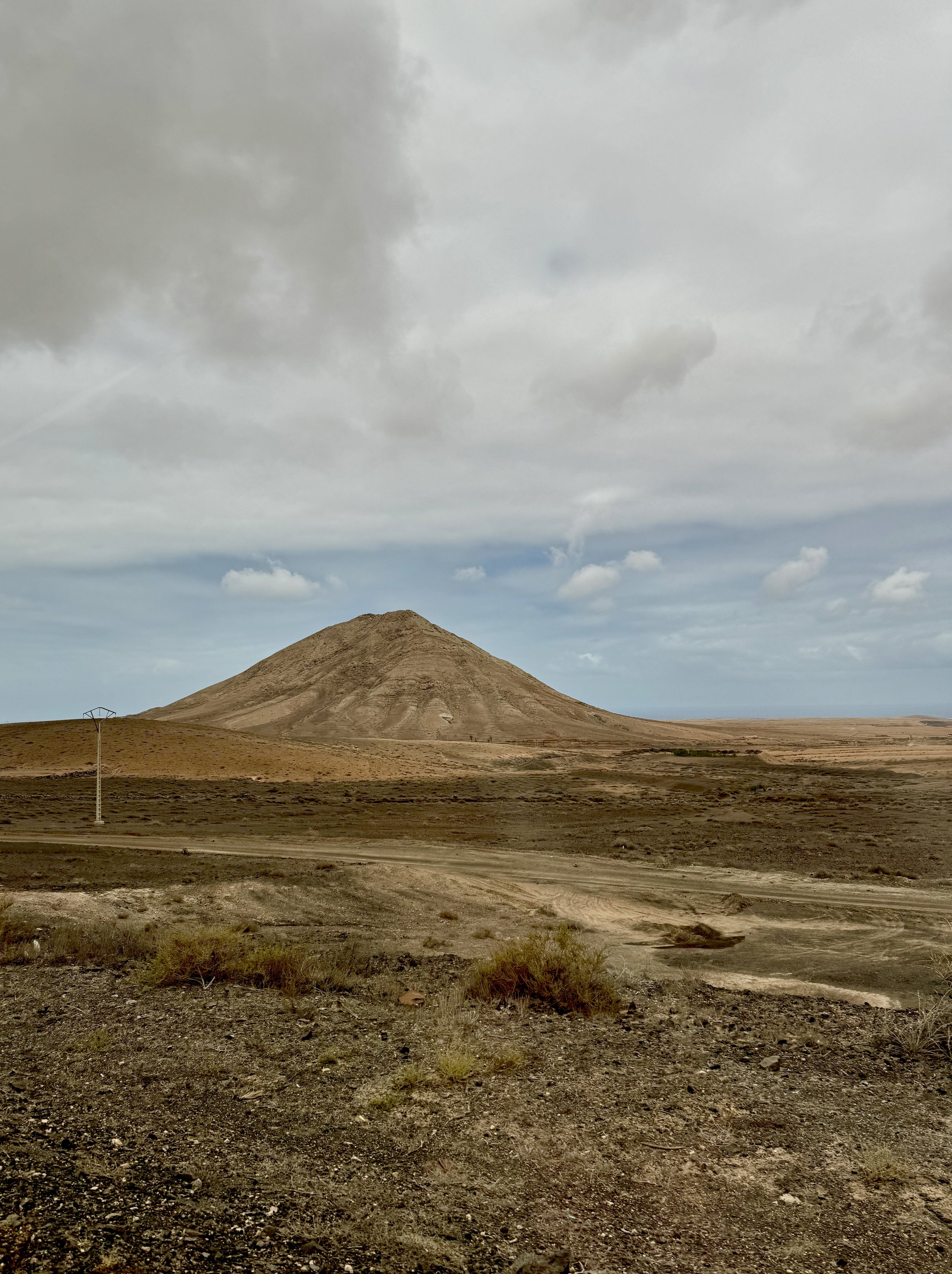
I didn’t know what, I hadn’t read anything and I couldn't fathom it with my mind but I just knew we had to go there. Anyway we went on our way, I got excited by harvesting our own salt from the rock pools, watching loads of crabs as the tide went out and I thought nothing of it for a few days. Then a couple of days in, one night I was up all night - didn't sleep a wink. I was just wired awake, my body was exhausted and I was exhausted. Not a lot to do but surrender to being awake and I started reading local information and blogs which led me to looking at the speculation of the pre-Hispanic occupation of the Canary Islands. Which took me to this mountain that had called to me - Tindaya Mountain.
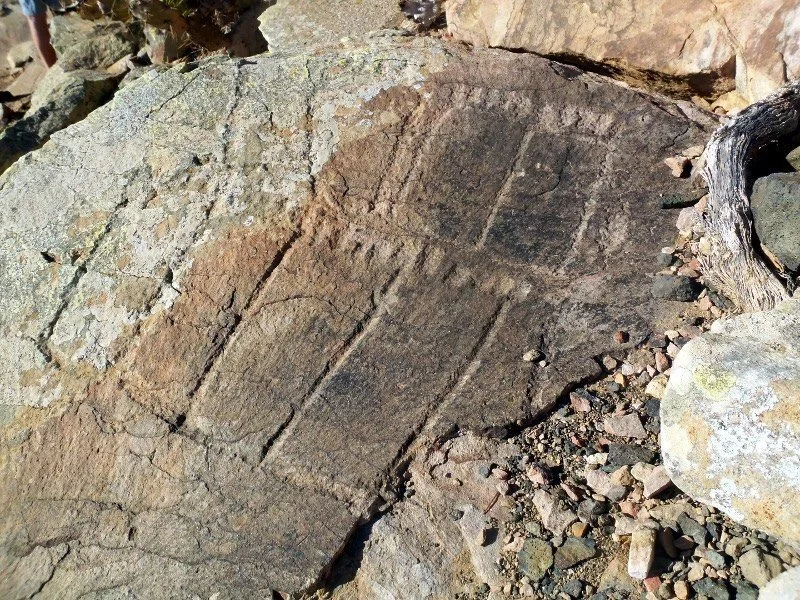
It’s incredibly unique because on the top are petroglyphs or engravings of podomorphs - which are feet. There are over 300 pairs of feet on over 50 panels of rock. They are grouped and point in different directions and were symbolically created by the indigenous tribe, the aboriginal peoples that lived here before the Castile conquest.
I wasn't looking for a sacred site to visit, I actually didn't think there would be much here. I lived in the Canary Islands, Gran Canaria for a year but obviously it was a different time in my life and I never looked at the ancient culture or what was here, I was working long shifts and had a two year old baby! I certainly wasn't looking for anything this trip as I was recovering but after being up all night all of a sudden it was very much in my face - about these mysterious ancient peoples.
So I started to research and find out more and I found that the engravings of these feet all at the top of the mountain are aligned with the passage of Venus and the solstices! The whole top area of Tindaya is a powerful astronomical clock…
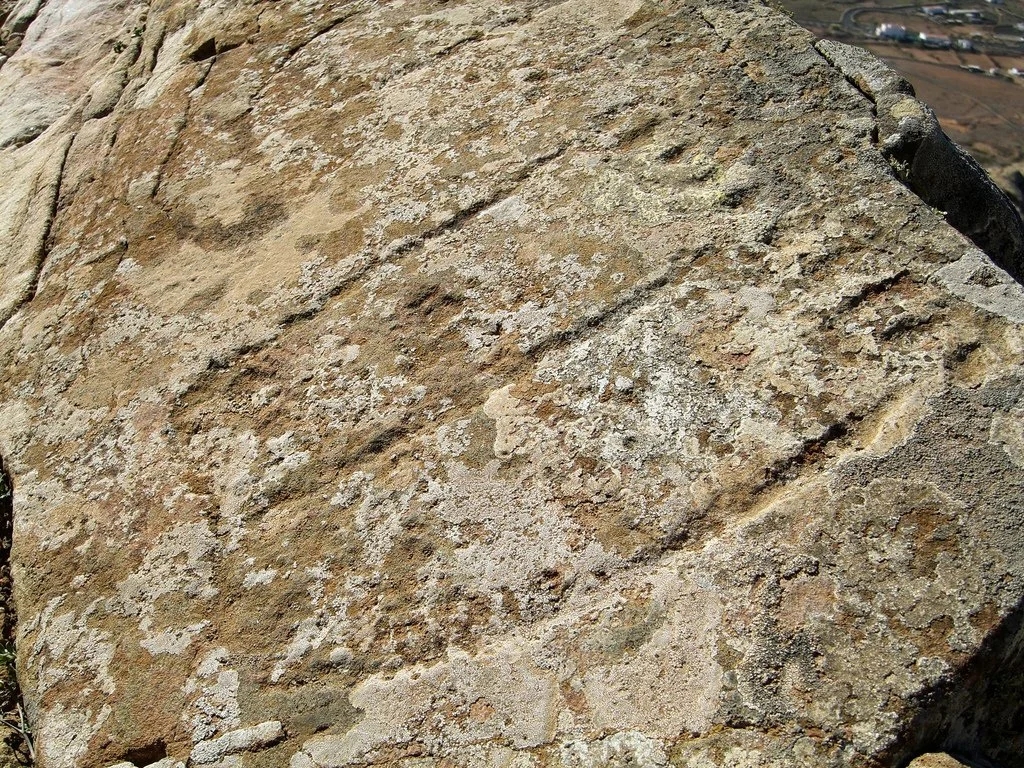
Tindaya Mountain is the sacred mountain of Fuerteventura. It’s a magical, mystical place steeped in pre historic ancient rites and practices. Through the ages people who knew the sacredness of this place have continued to practice rites and initiation’s and there is a lot of folklore and storytellings associated with the place including of witches and witchcraft. There is even a 100m volcanic tube that opens as a cave at the bottom of the mountain where many ritual items were found.
Plus on top of the mountain there are particular phases through the seasonal year marked that associate with the rain’s because obviously it's a dry volcanic desert landscape here so you know astronomically and culturally they would have wanted to map and know the rhythm of the earth and when the rainy season was and its influences. Also there is evidence that the indigenous people also practiced rites and sacred initiations on the top there.
I was a little blown away to discover all this and could feel the mysteries of Venus guiding me and calling me in …. I started to look at okay can I get to the top. Its 400 meters high which isn't that particularly high, it's sort of shaped like a pyramid and it was the first form, the first landmass, or volcanic land to form that was pushed up from deep inside the earth and ocean around 18.7 million years ago… wow right! No wonder this ancient culture knew this place was sacred.
Not only is it the oldest volcanic mountain in Fuerteventura it is also made out of a totally different rock than all the other volcanic mountains and landscape here. The rock is called Trachyte and it is a quartz-trachyte rock which is the most resistant rock to the effects or erosion.
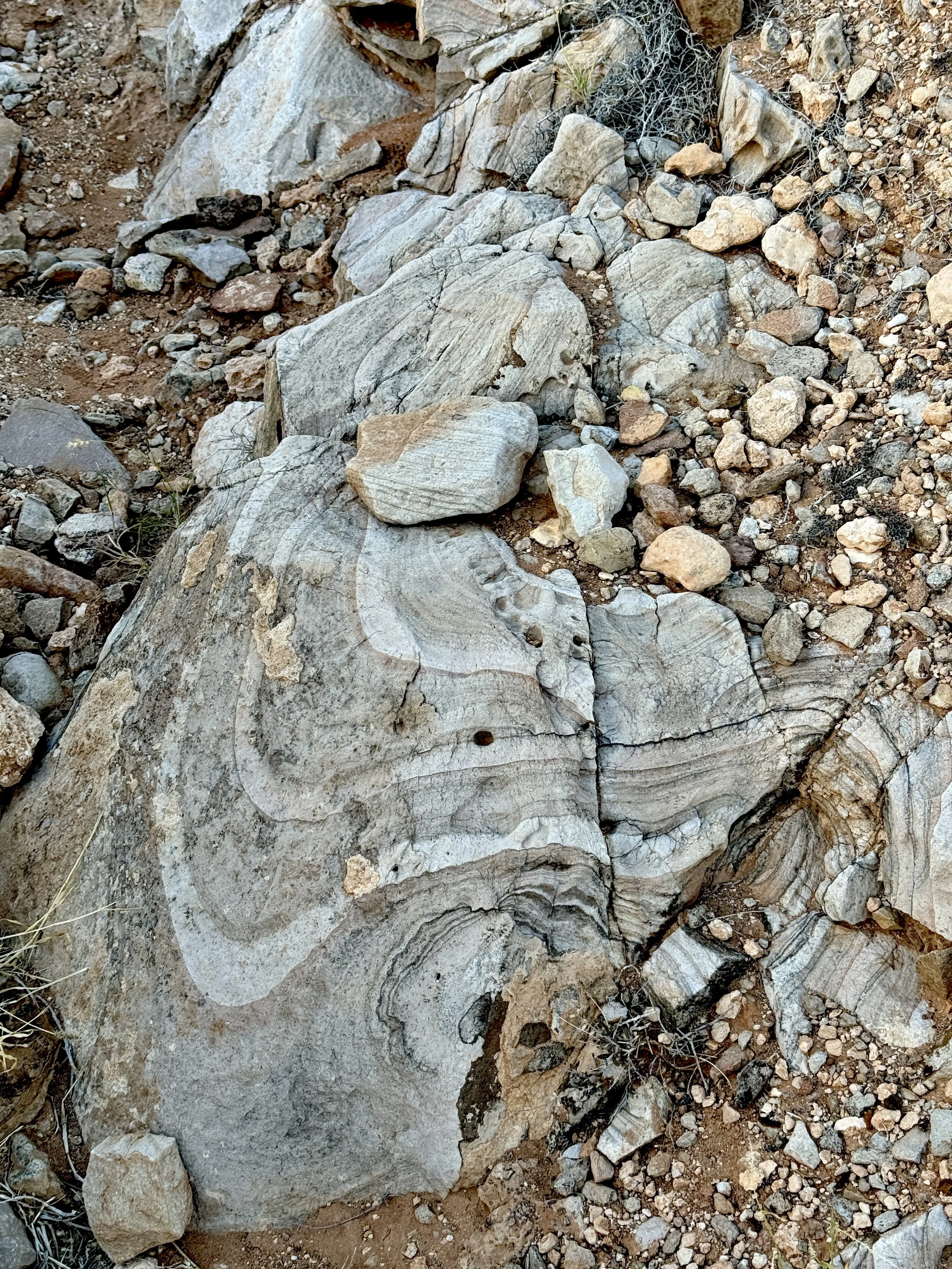
This sacred mountain was inhabited around the base by the indigenous peoples and there's archaeological evidence of communities living at the bottom. They lived on goat meat, goat milk, goat cheese, grew cereals like barley and obviously they wore goat leather. They found lots of ritual items - every pottery vessel that has been found, every necklace, every fragment of something has all pointed to it being a ritualistic item and not just an everyday household item. So this really was the sacred place of this whole island…
This whole opening and deepening into this land, the sacred mountain and the lost indigenous tribe has taken me deeply into uncharted land within.
I discovered that the indigenous peoples that lived across the whole of the Canary Islands were called the Guanche. Here on Fuertaventura the tribal people were called the Mahos. Nobody knows how they got here, who they were or any of their outlook on life or practices. What they do know is they did not have sea faring skills and were not sea travelling people. So how did they get here! Archeological evidence shows these peoples were across the islands from around 600BC. They believe a second wave happened around 1AD. There is speculation that they were of Berber origin from North Africa and somehow got in small boats and just headed off towards these islands. There is also speculation that sea faring ancient civilisations like the Phoenicians could have been here. The fact is - no one really knows.
The Spanish came here in the early to mid 1400’s and violently colonised the archipelago of the Canarias - so that's Gran Canaria, Lanzarote, Fuerteventura and Tenerife. When they came to the islands they actually enslaved all the people across the islands. I feel a bit tearful even thinking about it, writing about it… what's really moved me is something I also found out today that not only did they come over and conquer and enslave the people, the indigenous tribes and systemically eradicate the culture, catholicized them and rubbed out their whole way of being. So that there was nothing left of their way of life, anything to do with their culture, who they were and the way they lived was totally eradicated. So there is actually nobody, not one person from that culture left alive today. They were wiped off the face of the earth. Not quite like the Australian aboriginals or the North Americans Indians who managed to barely survive colonisation - these people are gone.
Not only are they gone. There demise was as a grand experiment as I found out through archaeological research papers that what the Spanish actually did as they colonized here was they tried and tested their framework and structure which they then used in the slave trade on the Caribbean islands on their sugar plantations. The indigenous peoples here went from around 60,000 across the islands to less than 2,000 within less than a 100 years.
So here I am contemplating and feeling this history, this sacred mountain, this land and these lost ancient peoples.
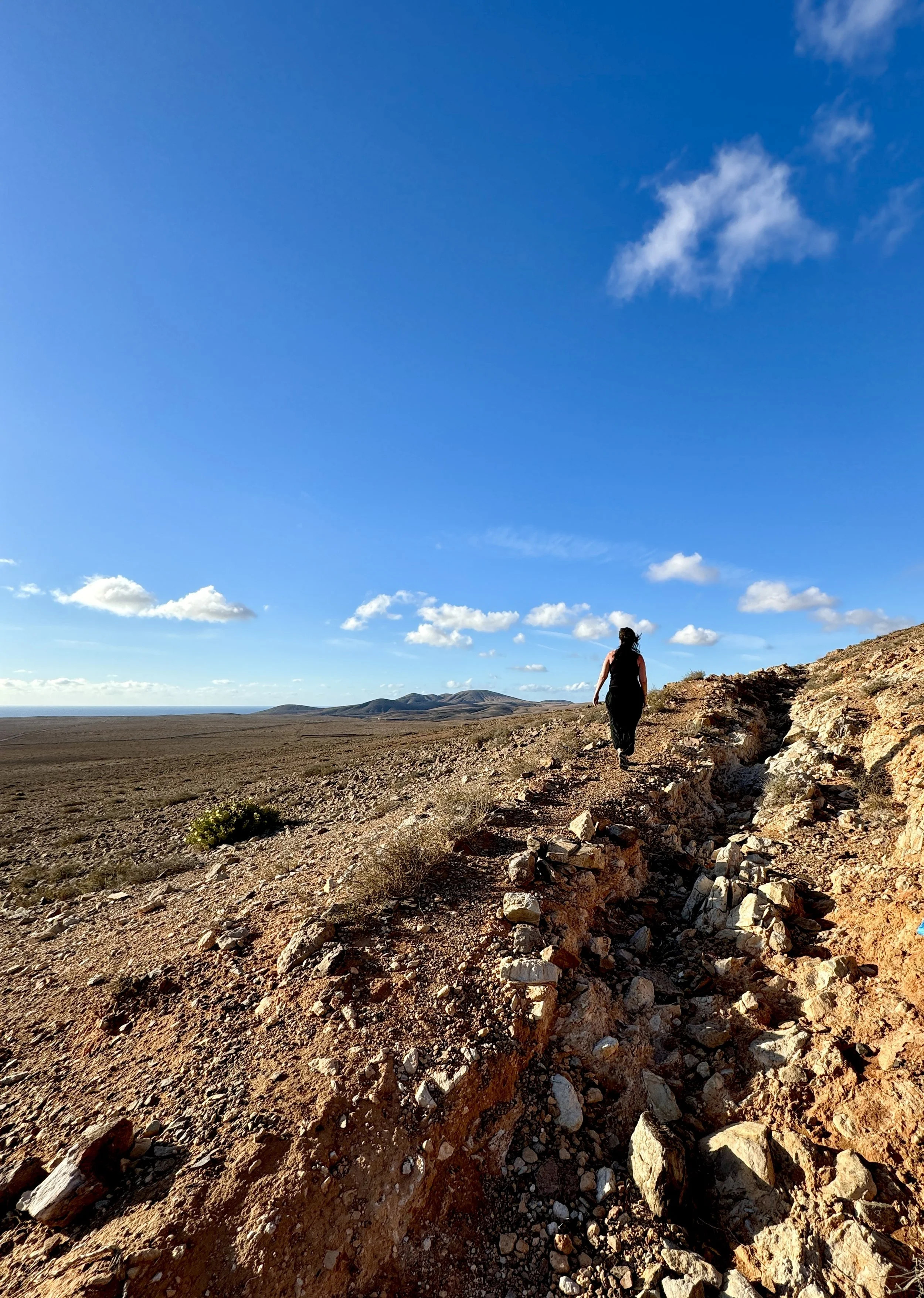
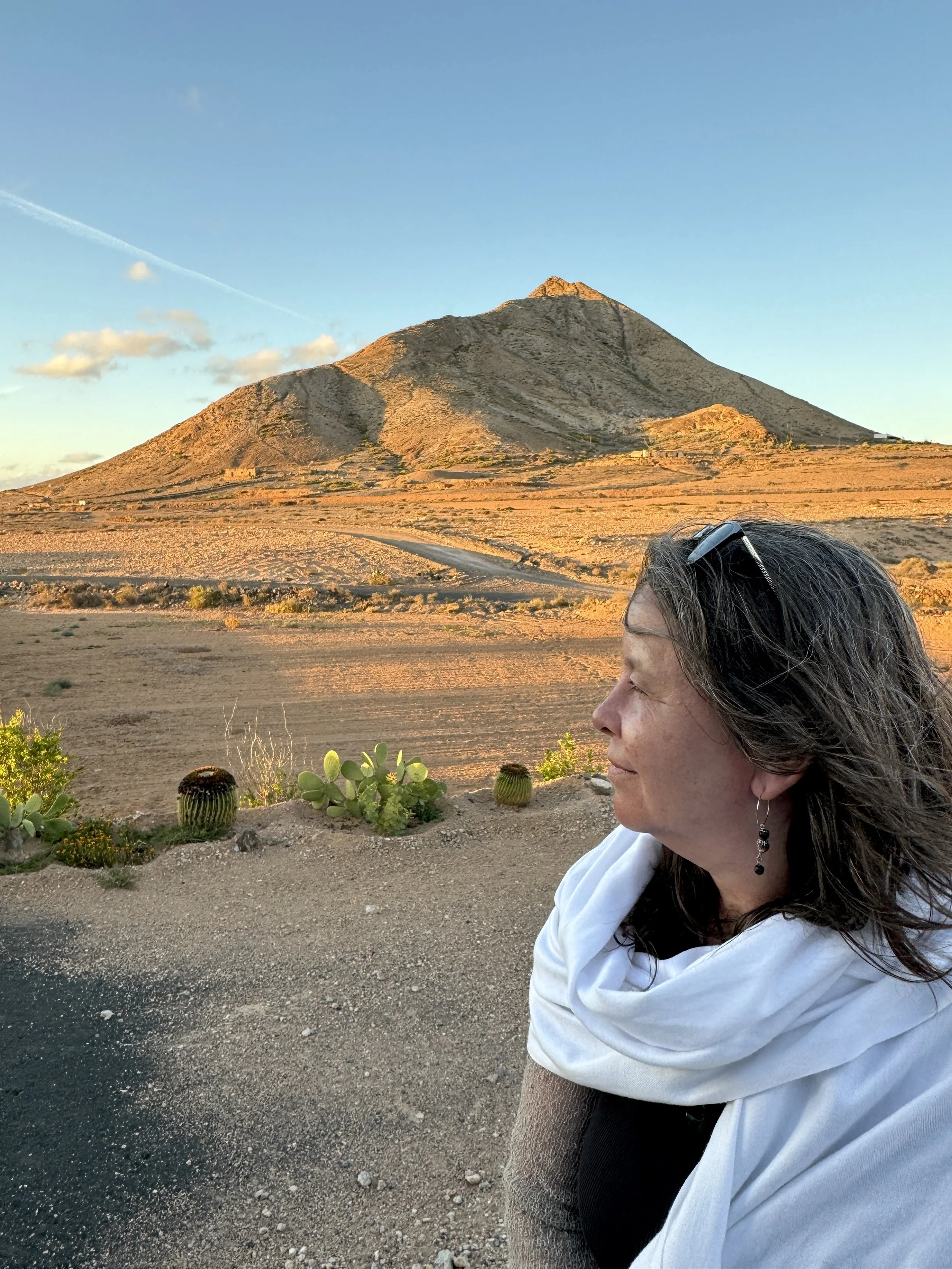
I knew I needed to go to the mountain and be with it, but even visiting is now a minefield with so much misinformation around about accessibility. There are some that say you need a permit from the council to go up and you go up with a guide. And others saying you don’t need a permit at all. So I wrote to the council to find out but meanwhile we made the decision to go to the base of the mountain last night and spend some time there. It was the perfect evening, clear skys and we even found a local restaurant open on Monday as most are closed so thought we could have dinner there.
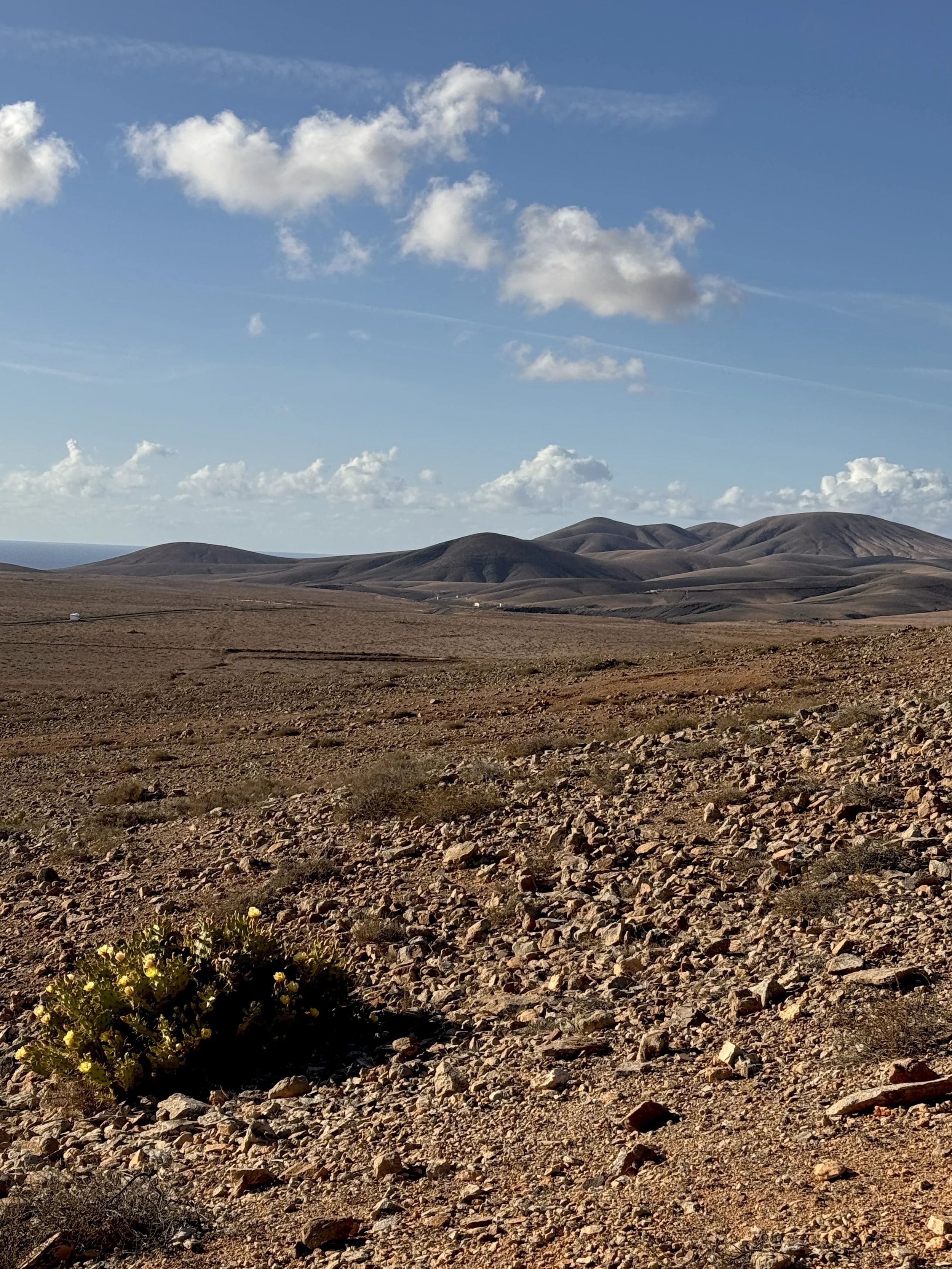
When we arrived there is a sense of otherworldliness surrounding you…
The shifting changing light reflected off the mountain, the barren desert, the rocks, and mystery pervading the space. We walked some of the base and sat to drink cacao, I created a ritual and made a libation to the mountain of cacao, calling on the wisdom of the place to illuminate and support what is opening inside and how I can serve.
I had taken my Art of the Sacred Wheel Oracle Deck with me and worked with the deck as I opened and deepened into this profound place and how this mysterious mountain, this great Being, had called me to it.
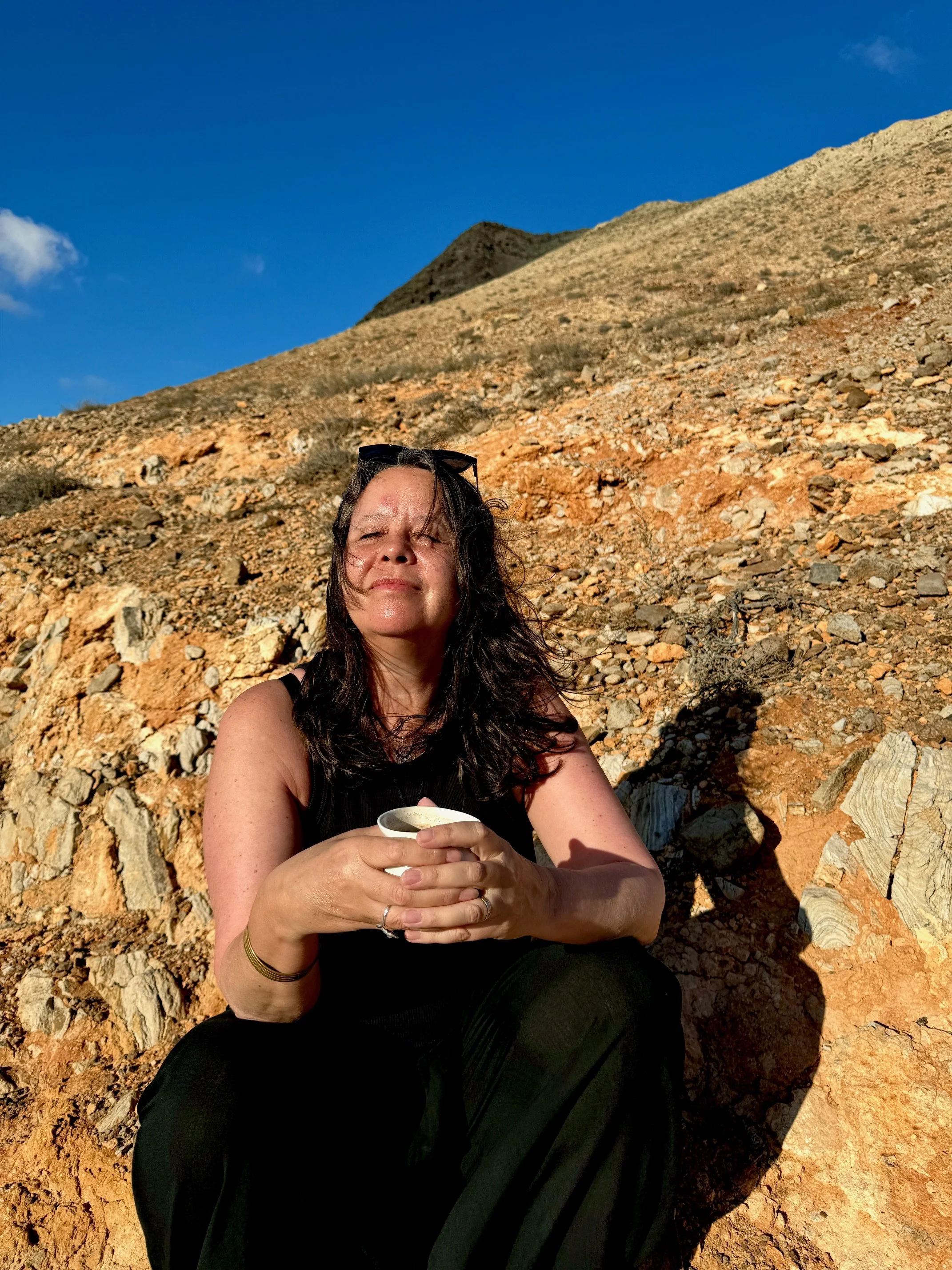
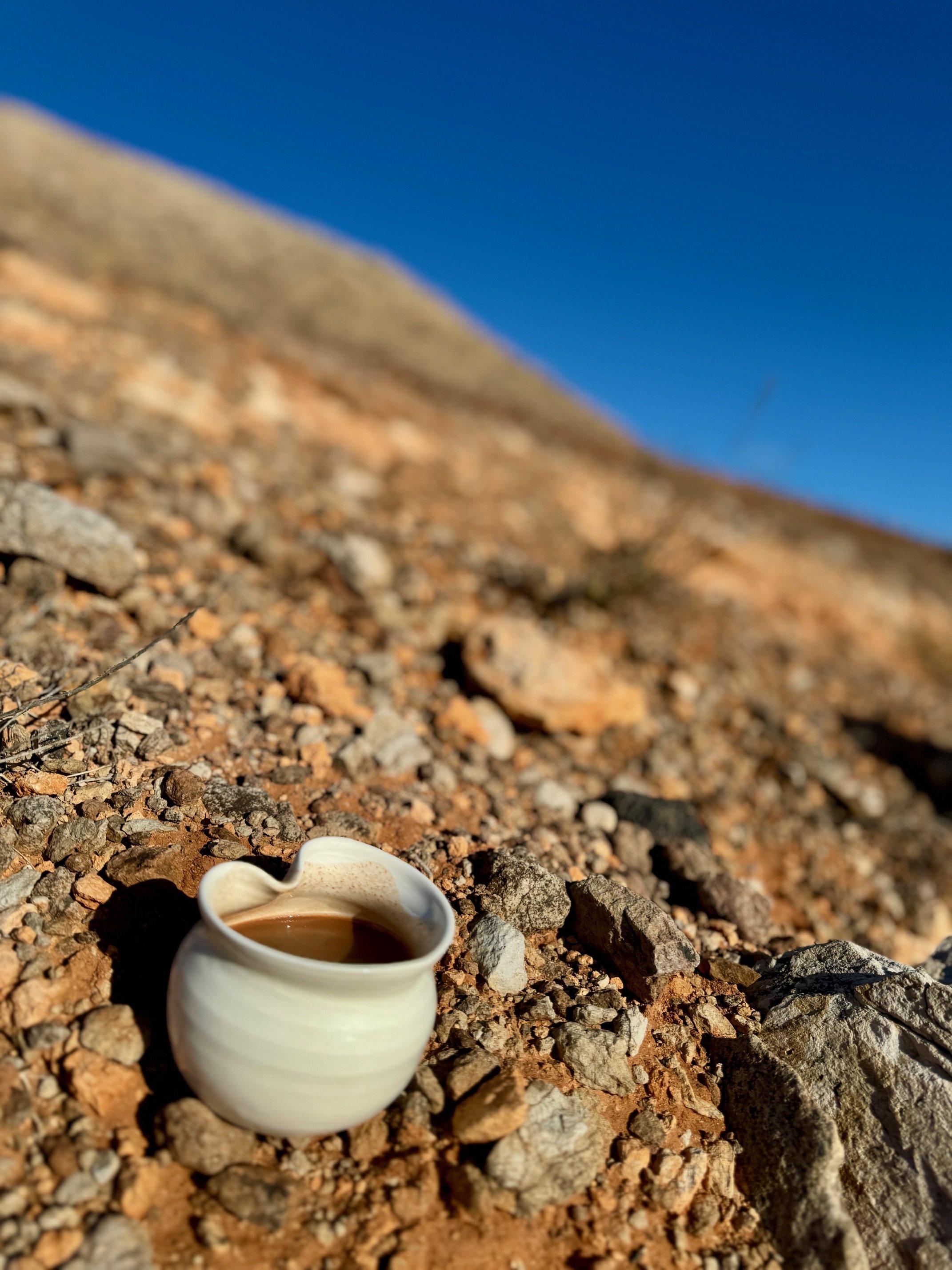
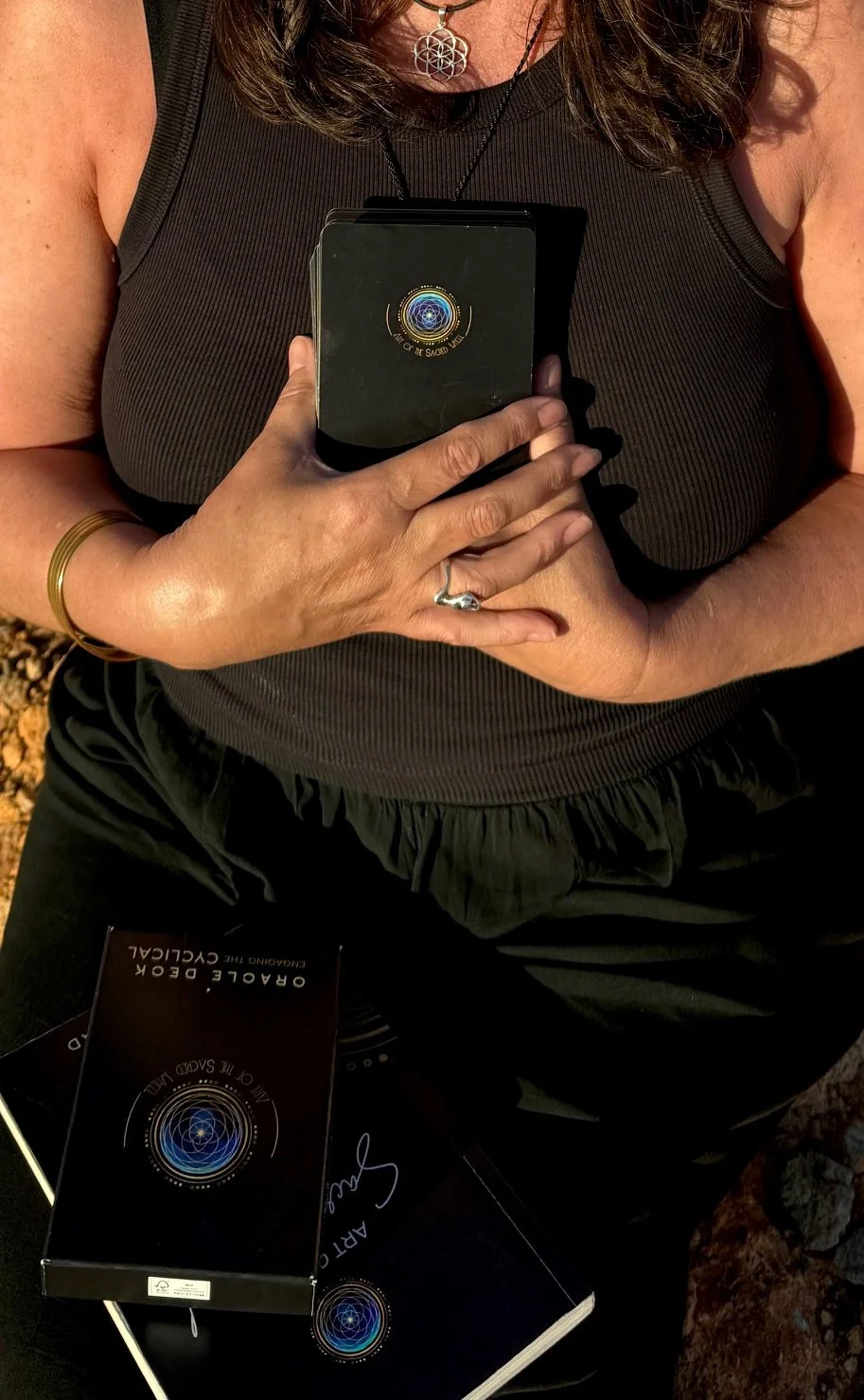
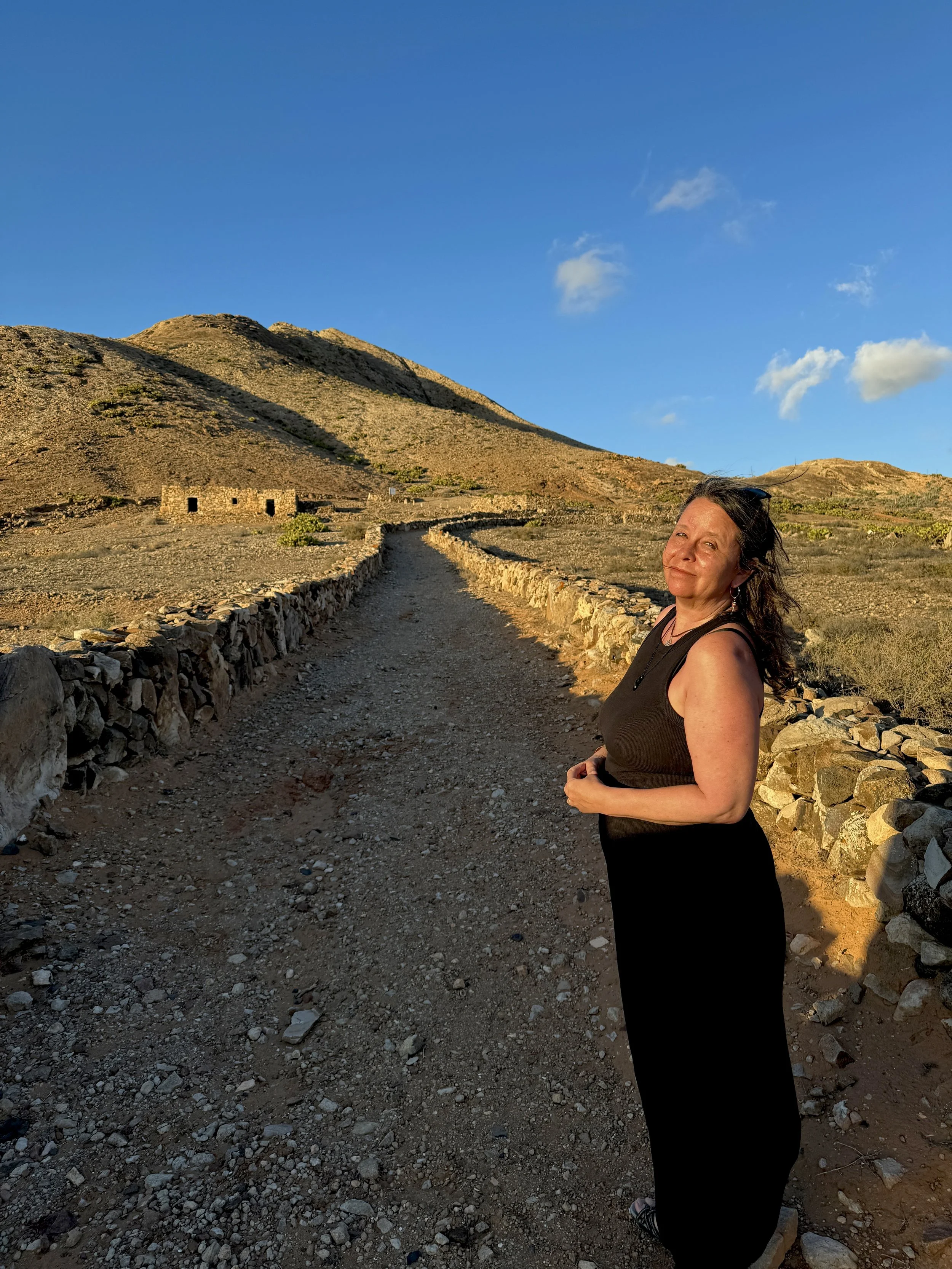
We spent a number of hours soaking up the magical location…
I felt blessed to have the opportunity to be there. Yet we both knew it wasn’t to go up. There is a path to enter and outside that is a big sign saying no entry. Asking you not to go up. We knew it was to honour that even if some people choose to ignore it and go up. It just didn’t seem right… and talking to the restaurant owner after he shared how people going up regardless of being asked not too are eroding the podomorfs and other geometrical engravings as they are standing on them and not knowing they are there. No matter how much I would have loved to see them, to me being at the mountain was enough. Tuning in, tapping into why the ancients venerated this place. Our new friend also told us how it is strictly prohibited to go up at all now. There are no permits and no permissions being given. And that’s from September last year (2023) with an iconic win for the campaigners, ecologists, archaeologists, astro-archaeologists and activists fighting for the sacred mountain.
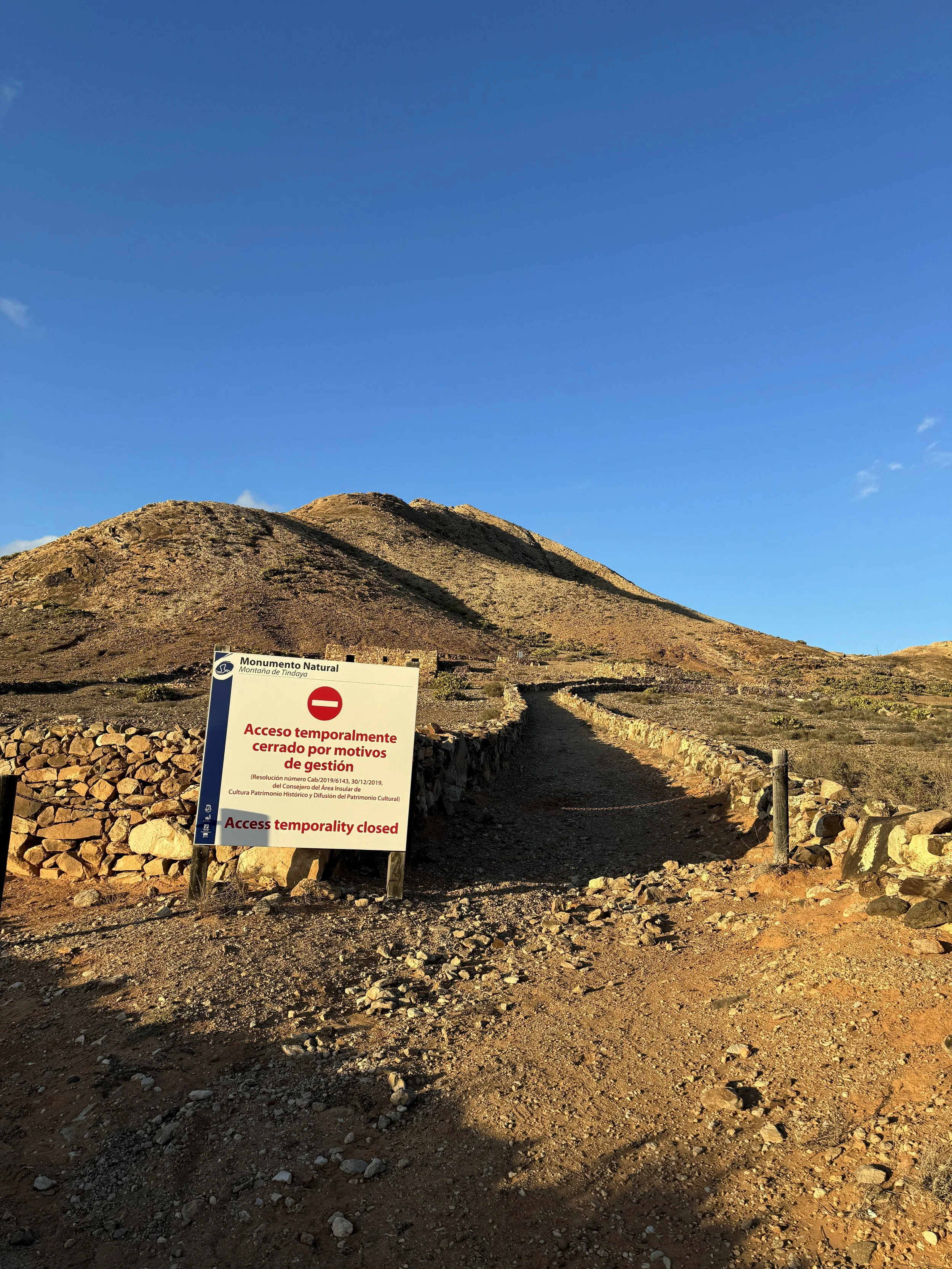
That’s because there has been a modern day battle for this sacred mountain that has been going on over the last 50 years…
Tindaya mountain hasn’t meant anything to the overall culture here. Nobody has been interested and they do not see the value of this sacred place. The battle started when the politicians here decided to go with a vision from a Basque country artist and sculptor called Eduardo Chiladas. He had a vision of creating an empty space within a mountain of 50 meters squared. A perfect empty cube space inside a mountain and he looked at different mountains in France, Switzerland and Spain and decided the Tindaya mountain in Fuerteventura was the mountain he wanted for his sculpture. Honestly the arrogance of it blows my mind…
As the politicians activated looking at feasibility studies at the same time activists started to rise and campaign for the mountain. The cube project was overturned and the mountain was designated protection - a bill was passed that protected the mountain as a sacred mountain but then it gets really bizarre.
The bill passed only applied to the engravings on the top it didn't apply to the mountain itself - only to the top. So in their wisdom the politicians here sold the rights to quarry the mountain and harness it for its marble like stone (I shared you earlier the mountain was made out of a unique stone called trachyte) and decimate the mountain arguing that the top was sacred but not the rest of the mountain. I mean can you actually get any more stupid!
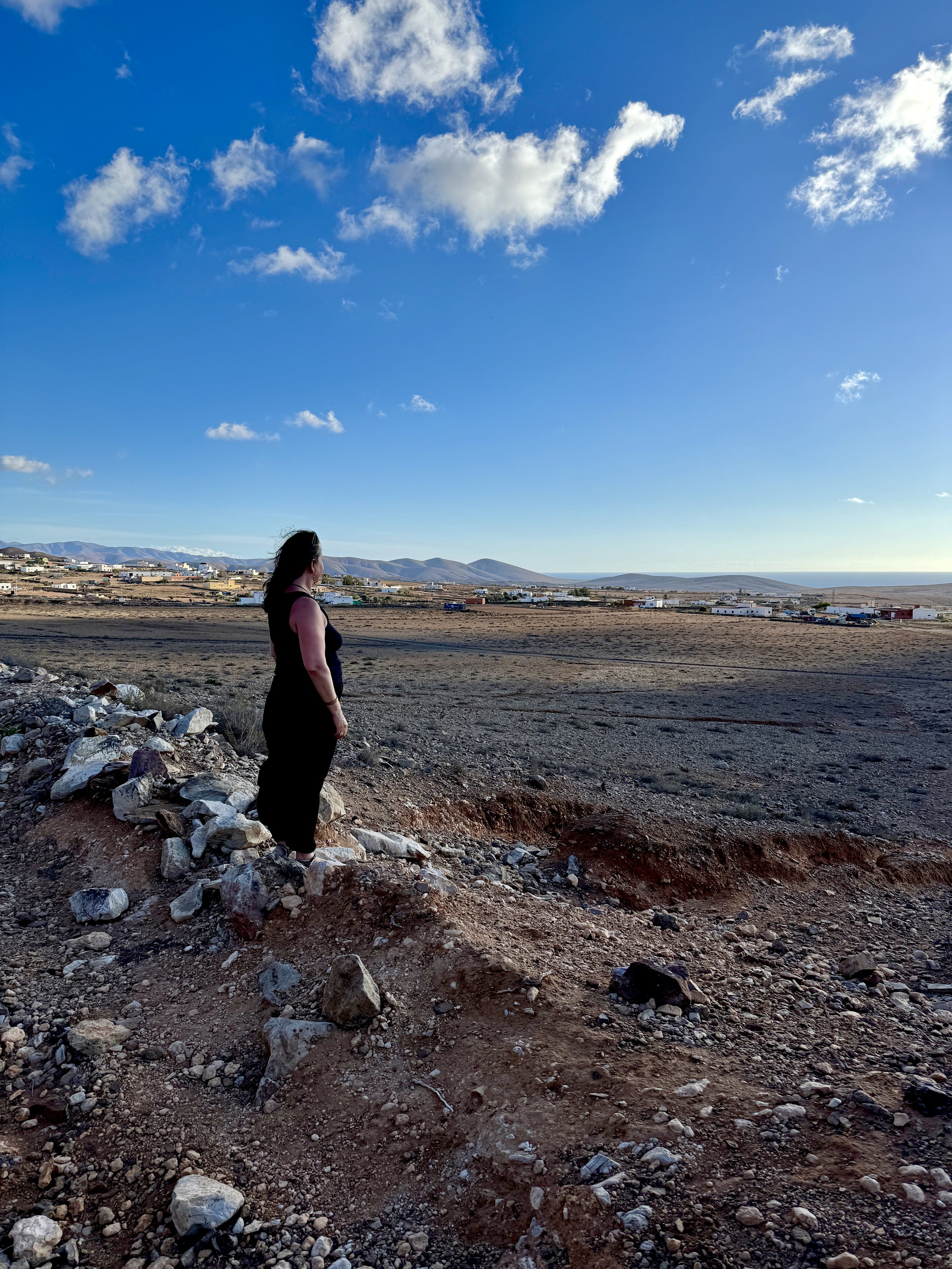
Obviously more people were now starting to listen to archaeologists and eco organisations and three local women who heard a woman archaeologist speak about the sacredness of the mountain spearheaded campaigns that actually led to and created the reform that we now see today. However during this time - as only the top of the mountain was sacred Eduardo Chiladas family partitioned the government to re look at fulfilling Eduardos’s dream of a perfect cube inside Tindaya mountain after his death in 1982.
The politicians here spent 30 million euros apparently on feasibility studies but no one knows where that money went. They did conclude that they could only build a 40m squared cube not 50, and that the mountain top would need significant support - you don’t say! They were still going to go ahead and spend in the region of 100 million euros on creating this cube but the relentless campaigning of these 3 women and the traction they got through lobbying, raising awareness of an indigenous culture and the sacred site through articles, poetry, cultural gatherings, shows, turning pairs of feet into an iconic emblem of sacred site activism stopped the quarrying and the cube vision. Then has come the difficulty of controlling the site of the engravings as they have been walked over, vandalised and disrespected for the heritage and ancient ancestry of this land. So initially permits were being given which could take up to 3 months to be processed but people still kept going up. Now it is totally prohibited. For now.
“The mountain is already Sacred, that’s why the ancients venerated the mountain.”
Meanwhile this sacred place is home to special fauna and fauna, rare and engendered birds and yep you guessed it - a curlew bird! This curlew is called a Stone Curlew and although not near to extinction as our wetlands curlew its numbers are in decline.
Can’t quite believe the journey I’ve had here so far.. it’s been enlightening and enlivening. I may have come to rest but I certainly have been taken deep into this land and its lost ancient culture which has activated and awakened something inside my body.